
No products in the cart.
Return To Shop
+44 7365658674
support@levantleather.com
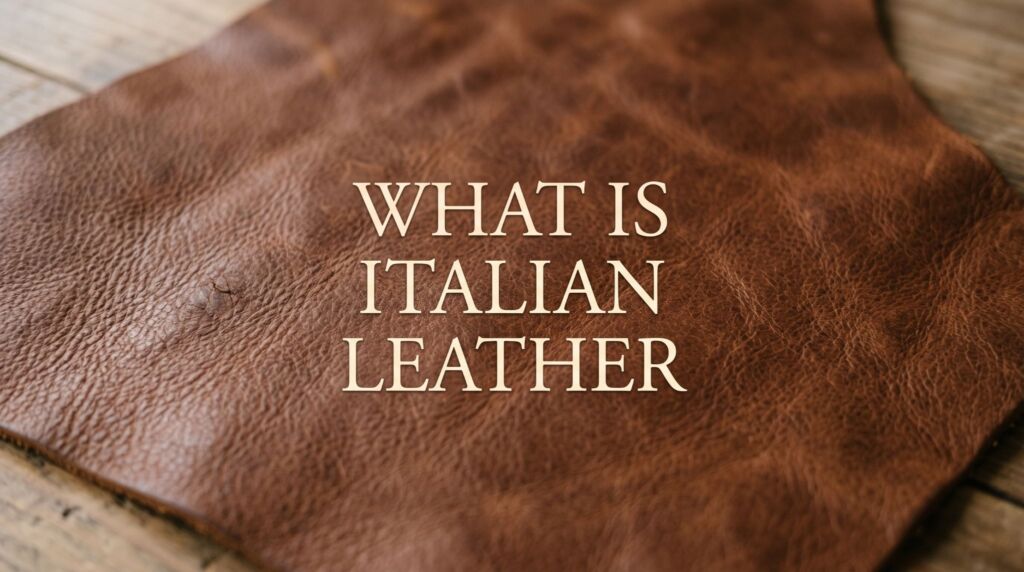
As the name suggests, Italian leather is produced in Italy. A premium quality leather known for its full-grain vegetable-tanned kind. The material used in leather production is removed from the outer layer of animal skin.
Furthermore, Italian artisans combine high-quality grain leather with the vegetable-tanning method. The aim is to achieve the final product.
This comprehensive guide will cover everything about the leather. Including its types, Italian tanned leather. Why Italian leather is better, and what it is made from.
Origin: How it Started
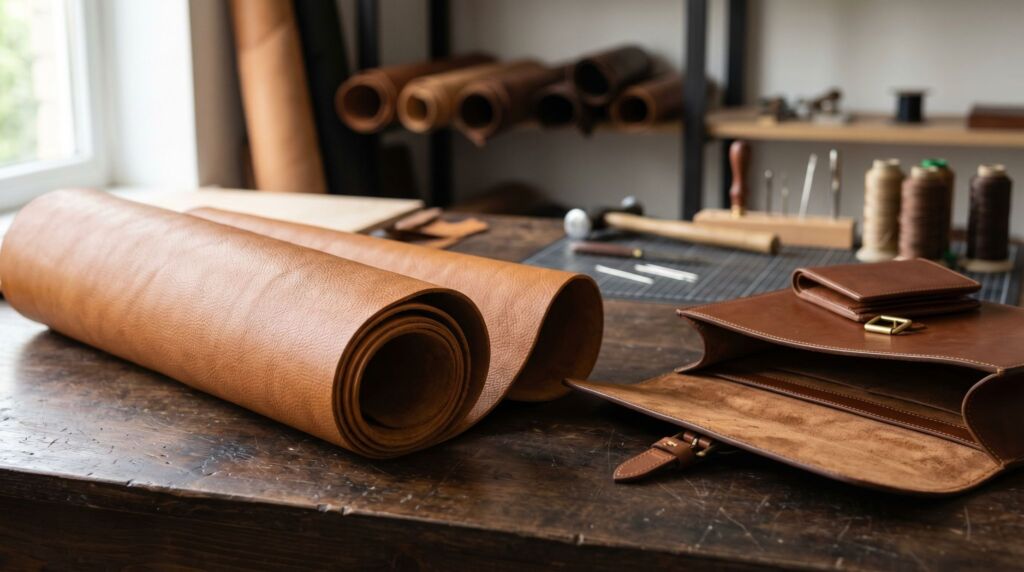
Leather manufacturing has been performed for centuries in Italy. In the 8th century BC, the Etruscans’ civilization discovered vegetable tanning. A process through which modern-day Italian leather is produced)
These Etruscans mastered the basic principle of veg tanning. They started producing top-quality sandals for everyday use.
Under the Roman rule, leather was used in every aspect of life. It included transportation, clothing, and even warfare. Over time, the vegetable tanning expanded and became a huge industry, and spread across the entire Roman Empire.
Leather Workers Guild
In 1282, the Arte dei Cuoiai (Leather Workers Guild) was formed in Florence. It was a group of skilled leather workers. Who protected their craft and shared strict quality rules. Similar guilds also existed in other big cities like London. These groups helped keep leather work high in quality and made Florence famous for its leather products around the world. Because of this strong system, the leather industry stayed very competitive.
Emergence of New Fashion Houses:
In the 20th century, the famous fashion houses like Gucci, Prada, and Ferragamo emerged. These giants started selling leather goods. Their popularity was seen across the world.
Genuine Italian Vegetable-Tanned Leather Consortium
The formation of the Genuine Italian Vegetable-Tanned Leather Consortium also helped protect the vegetable tanning method. The aim was to safeguard the older traditions. The institution has 20 tenneries that have a common point of view about the legacy.
Why is Italian leather better
What makes Italian leather so special is the passing down of precious knowledge through generations. Another reason why Italian leather is regarded worldwide is the practice of vegetable tanning. A process where a particular mixture of tannins is used. It has a positive impact on the leather texture and color.
The leather manufacturing is not a modern-day concept. It was started in the 8th century BC, which made Italian artisans masters of leather manufacturing. Later on, the knowledged an wisdom were passed down to the next artisans. Making Italian leather the best leather in the world.
Explore Levant Leather Latest Sale Collections
4- Tote Bags
7- Men’s Brown Leather Jackets
8- Men’s Black Leather Jackets
Types of Italian Leather
Italian leather is available in different types. Including full-grain, top-grain, calfskin, split leather, and snuckbuck. Every type has its unique characteristics, like the use of skin, fishing methods, and tanning process. This blog will explore them in detail:
Full-Grain Leather:
A top-quality Italian leather that is widely used in bags. Full-grain leather retains the grain layer, which includes the natural makings. This type of leather resists daily wear and tear. Therefore, a popular choice for daily-use items like wallets and bags.
Top-Grain Leather:
The second-highest quality of leather is the Top-grain leather. However, it is thin compared to a full-grain leather and is produced by removing the top layer of the hide. The hide removal results in a smooth texture and organized appearance.
Calf-Skin Leather:
Italian calf-skin leather is a highly demanded type. That is used in luxury items, handbags, belts, and wallets.
Saddle Leather:
A highly thickened leather achieved after the vegetable tanning process. Saddle leather is used to produce equestrian saddles, belts, and tote bags.
Italian leather vs Genuine Leather
Italian leather and genuine leather both come from animal hide. However, they are not the same in quality and feel. Italian leather is made with high skill and fine care, so it feels soft, smooth, and strong.
It looks richer and lasts longer. Genuine leather is also real leather, but made from lower layers of the hide. It is more affordable but not as soft or long-lasting as Italian leather in many cases.
| Feature | Italian Leather | Genuine Leather |
| Quality | Very high and fine finish | Medium quality, basic finish |
| Feel | Soft, smooth, premium touch | Slightly rough and less soft |
| Durability | Lasts many years with care | Good, but wears faster over time |
| Price | Expensive due to high-skilled work | Budget-friendly and low-cost |
| Look | Rich, luxury and stylish look | Simple and natural look |
| Usage | Luxury bags, shoes, jackets | Everyday use products |
Final Thoughts
Italian leather is a highly popular leather used in and outside the country. It is produced using a centuries-old method known as vegetable tanning. For centuries, the artisans kept on passing this precious knowledge to generations. Even in modern-day Italy, this process is used to produce high-quality leather products such as wallets, belts, and suede tote bags. These include bags, wallets, belts, and daily-wear items.
Frequently Asked Questions
1) What is Italian leather?
Italian leather is high-quality leather made in Italy using skilled work, soft feel, and a long-lasting, strong hide.
2) Why is Italian leather better?
It is better because it is soft, strong, neat, and made with care, giving a rich and clean look.
3) How is Italian animal leather made?
It mostly comes from cow skin, and sometimes calf skin, goat, or sheep skin, used in small luxury items.
4) What is Italian vegetable-tanned leather?
It is leather tanned with plant-based oils and bark, not harsh chemicals, making it natural, strong, and safe.
5) What is Italian nappa leather?
It is very soft, smooth leather made from lamb or calf skin. Italian nappa leather is used in bags, cars, and jackets.
6) How Italian Leather is Made?
It is made from animal hides like cow or calf skin, processed and treated in Italy with skilled traditional methods.
7) What is Italian leather furniture?
It is sofas, chairs, and seats made with Italian leather, known for comfort, soft touch, and luxury home look.
8) What is Pure Italian leather?
It means leather fully made and processed in Italy, following high-quality rules and traditional tanning methods.