No products in the cart.
Return To Shop
FREE SHIPPING+30 DAY RETURNS


0
$0.00
0
No products in the cart.
Return To Shop
Shopping cart (0)
Subtotal: $0.00
Free shipping over 49$
What Is Artificial Leather and Is It Good?
What is Artificial Leather and Is It Good?

Artificial leather, also known as faux leather or synthetic leather, is a popular alternative to genuine leather, made from materials like PVC and polyurethane. These synthetic leather products are designed to feel like real leather while offering various advantages. For those seeking a vegan leather option, imitation leather provides a cruelty-free choice as it does not involve any animal products. However, there are both pros and cons to using faux leather. On the positive side, it is often more affordable, easier to clean, and resistant to stains compared to real leather. On the downside, artificial leather may not be as durable and can be less breathable, potentially leading to discomfort in certain applications, like upholstery. When considering faux leather vs real leather, it’s essential to weigh these factors to determine the best material for your needs.
The market for synthetic leather continues to grow as consumers seek environmentally friendly and ethical alternatives. Bonded leather, which is made by combining leftover pieces of genuine leather with a synthetic backing, is another option but varies in quality. The texture of fake leather can mimic that of real leather, making it an appealing choice for various products, from fashion items to upholstery. However, PVC leather and leatherette are often criticized for their reliance on chemical processes, which may raise environmental concerns. Ultimately, the choice between faux leather and genuine leather depends on personal preferences, budget, and values regarding sustainability and animal welfare.
Learn more in our guide on Best Leather Wallet for Men to see sustainable product options.
How is Artificial Leather Manufactured?
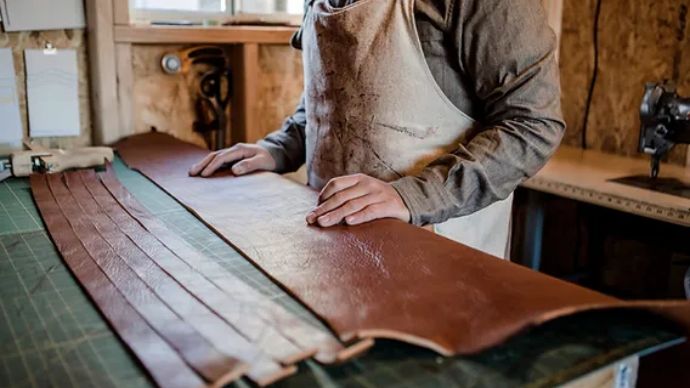
There are four major steps in making synthetic polyurethane leather:
Creating the Base Fabric
The procedure begins by choosing and reading a primary fabric. Typical materials consist of polyester, cotton, or nylon. This fabric acts as the core that provides PU leather with its durability and adaptability. It might undergo treatment to enhance its adhesion to the polyurethane layer.
Applying the Polyurethane Coating
A liquid polyurethane solution is subsequently spread over the base fabric’s surface. This application can be achieved using different coating methods, including transfer coating or direct application. The polyurethane imparts a leather-like feel and look. Additional layers may be applied to increase thickness, strength, and visual appeal.
Embossing the Surface
To replicate the authentic texture of genuine leather, the coated fabric is subjected to a heated embossing roller. This roller imprints designs onto the PU surface, providing it with the feel of real leather. Additionally, the embossing process enhances the aesthetic quality of the finished product.
Finishing Touches
Ultimately, the synthetic leather is subjected to final processing treatments. These may involve dyeing, applying protective coatings (like UV resistance or waterproof finishes), and conducting quality assurance inspections. The completed material is then sliced, rolled up, and readied for application in diverse sectors such as fashion, furniture, automotive, and accessories.
Artificial leather, often referred to as pleather, is primarily composed of synthetic material like polyvinyl chloride (PVC) or polyurethane. The manufacturing process involves creating a mixture that binds these plastics to a base layer, usually a cloth or scrap fabric, resulting in a surface of faux leather that mimics the look and feel of genuine leather. This highly durable alternative is not only cheaper but also requires low maintenance, making it a popular choice for clothing and leather items.
During the leather production process, bonded leather is made by treating a mixture of recycled leather scrap and polyurethane, allowing it to breathe while retaining a soft texture. In contrast to genuine leather, which is derived from animal hide and involves a lengthy tanning process, artificial leather can be produced quickly and is less susceptible to moisture, thus ensuring it can last a long time without the harmful effects associated with traditional leather.
The popularity of artificial leather has surged as consumers seek sustainable and ethical substitutes for the real thing. Its versatility makes it suitable for a range of applications, from fashion to furniture, while the use of petroleum-based products raises questions about environmental impact. However, due to its affordability and low maintenance requirements, leather is cheaper and continues to appeal to a broad audience.
For related reading, check What Is Calf Leather and Nubuck vs Suede to understand different leather types.
History & Examples
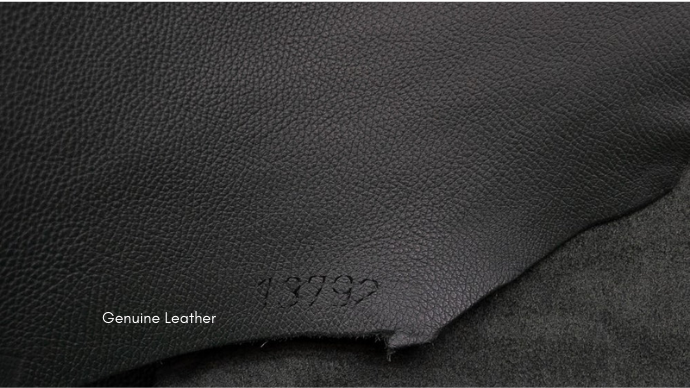
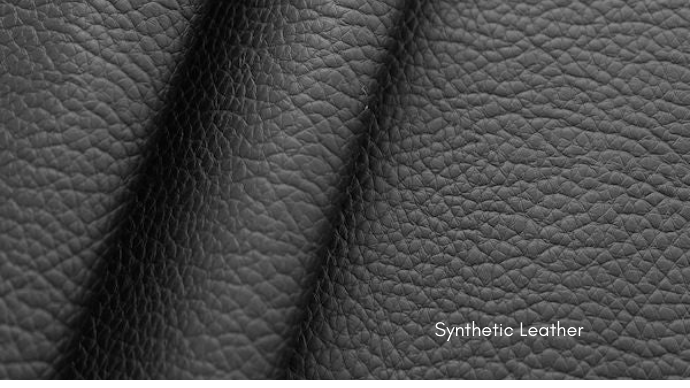
One of the first achievements in producing a synthetic alternative to leather was known as Presstoff. This material was created in Germany during the 1800s and consisted of layers of paper pulp that underwent specific chemical and manual processes. Its popularity surged in Germany during World War II when leather was rationed. Although Presstoff was unsuitable for footwear or other products requiring frequent bending and exposure to moisture, it served well as a substitute for various leather goods. Like many synthetic leathers, it was prone to delamination and cracking when subjected to repeated bending and wet conditions.
Another instance of early synthetic leather materials is Rexine. This product was manufactured in the UK by layering fabric with a blend of nitrocellulose, camphor oil, alcohol, and colorant. The finished fabric had a pattern resembling that of high-quality leather. It was mainly utilized for upholstery in automobiles and the interiors of railway cars and linings beginning in the 1920s. Its main appeal was that it mimicked leather closely enough to achieve a similar appearance, yet was priced at approximately one-fourth of the cost.
Another category of synthetic leathers, initially created and referred to as “poromerics” by DuPont in 1963, was made by applying a plastic coating over a fibrous base layer. The first product introduced by DuPont was named Corfam, intended for use in the footwear industry. DuPont aggressively promoted the product, even featuring it prominently at the 1964 World’s Fair in New York. Significant funds were invested in the marketing campaign, but the outcome fell short of DuPont’s expectations. By 1971, the company withdrew the product from the market and transferred the rights to a firm in Poland.
Similar to Corfam, leatherette is a fabric base covered in plastic. In the 20th century, it was mainly utilized for bookbinding and camera cases, and the term continues to refer to synthetic leathers in everyday language.
Cork leather is another option, made from the bark of cork trees. The bark is compressed and treated, following a process akin to that of Presstoff.
At present, researchers are working on creating a marketable collagen product derived from a fermentation process (instead of being sourced from animal hides), which could lead to the production of synthetic leather that closely resembles natural leather.
Tip: Choosing polyurethane (PU) leather over PVC leather reduces environmental impact while maintaining quality. Learn more in What is PU Leather
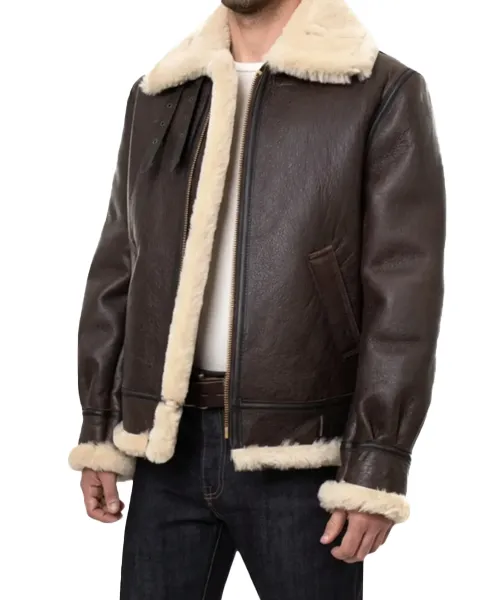
Men’s Brown B3 Bomber Jacket Classic Leather & Sheepskin
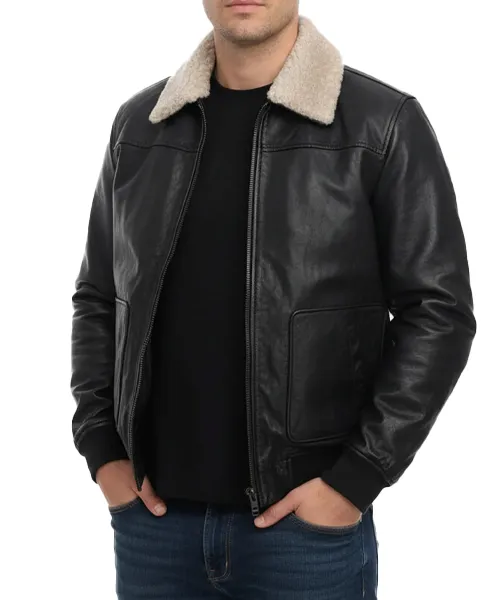
Top Gun Maverick Bomber Leather Jacket – Movie Flight Jacket
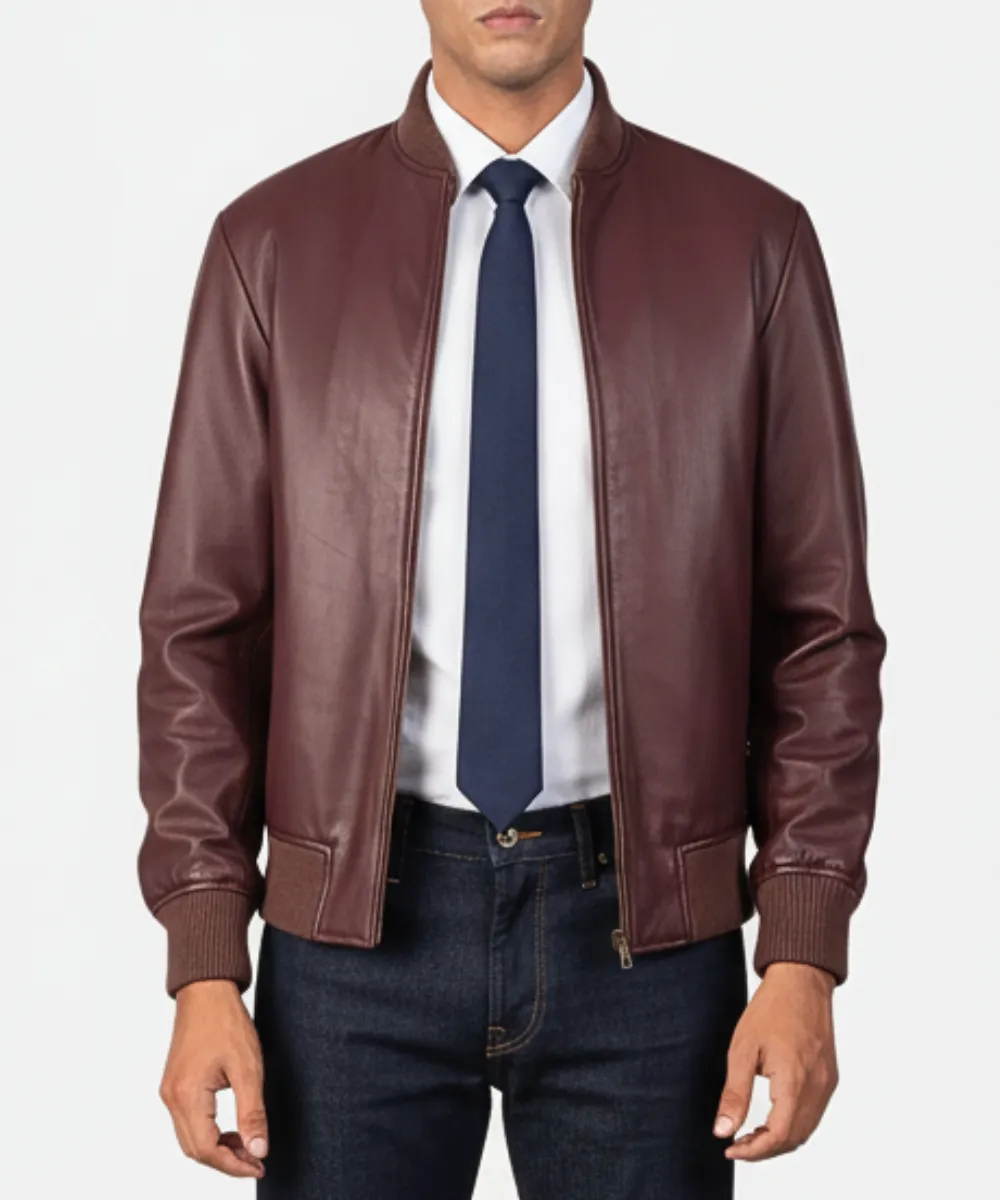
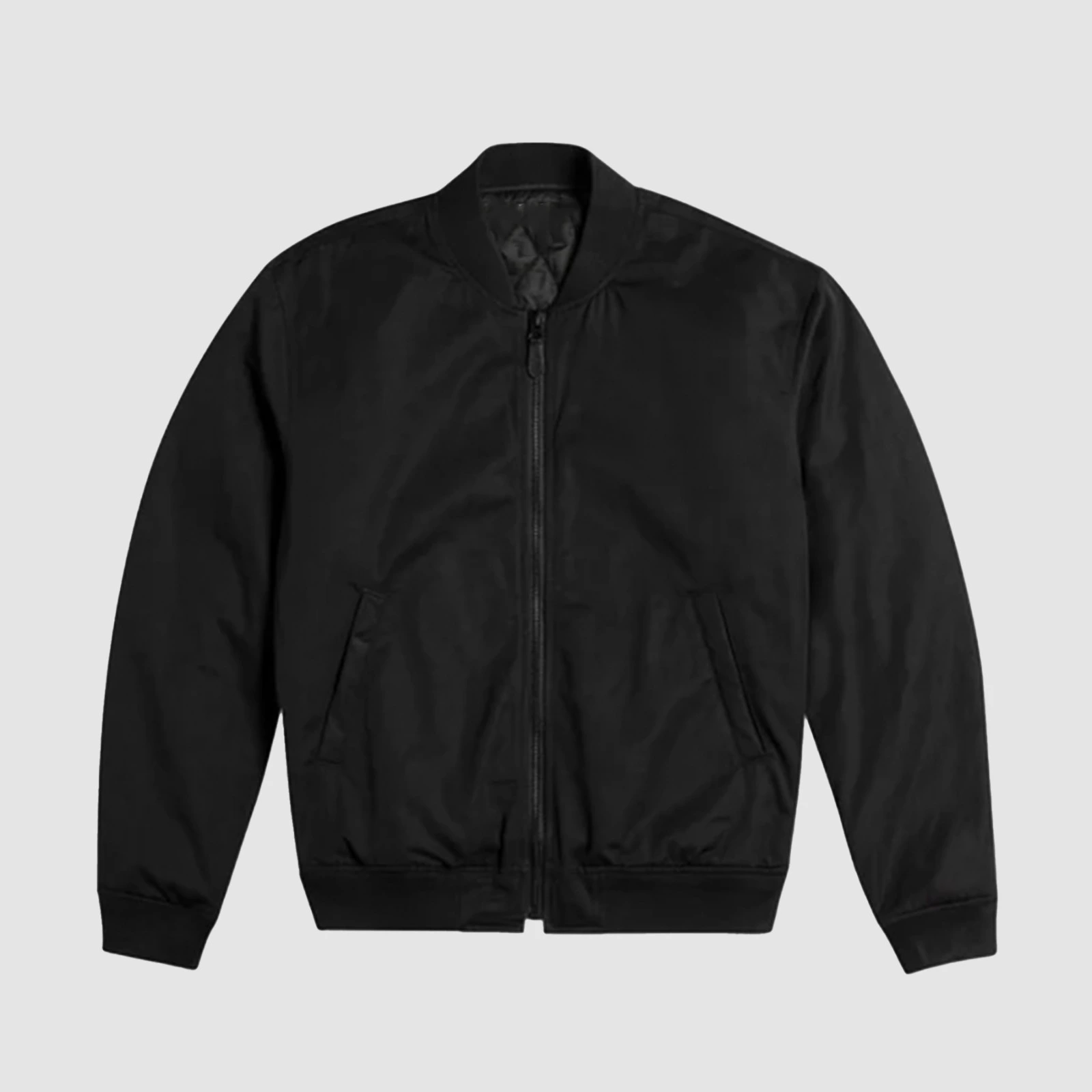
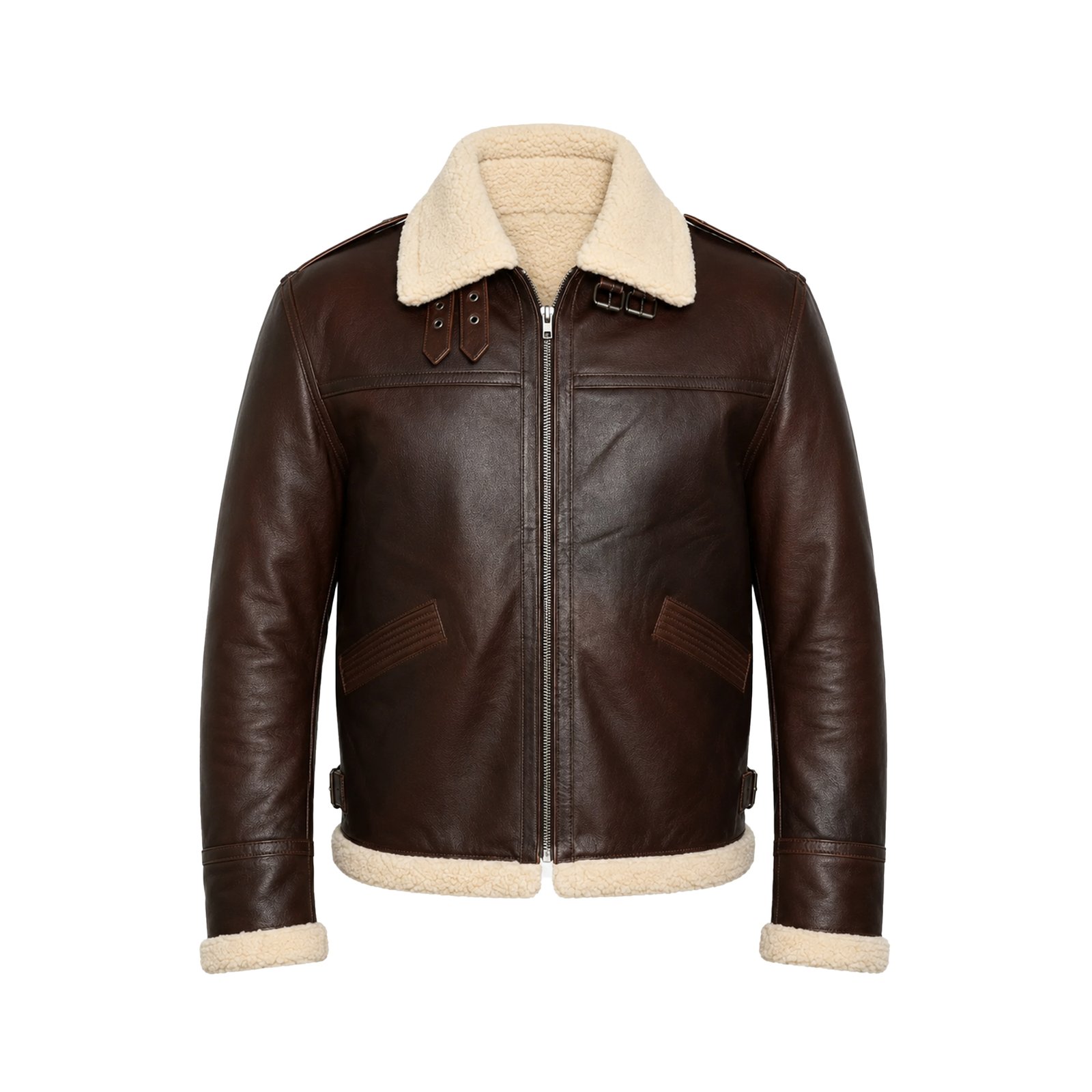
Men’s Brown Resident Evil 4 Leon Kennedy Leather Jacket
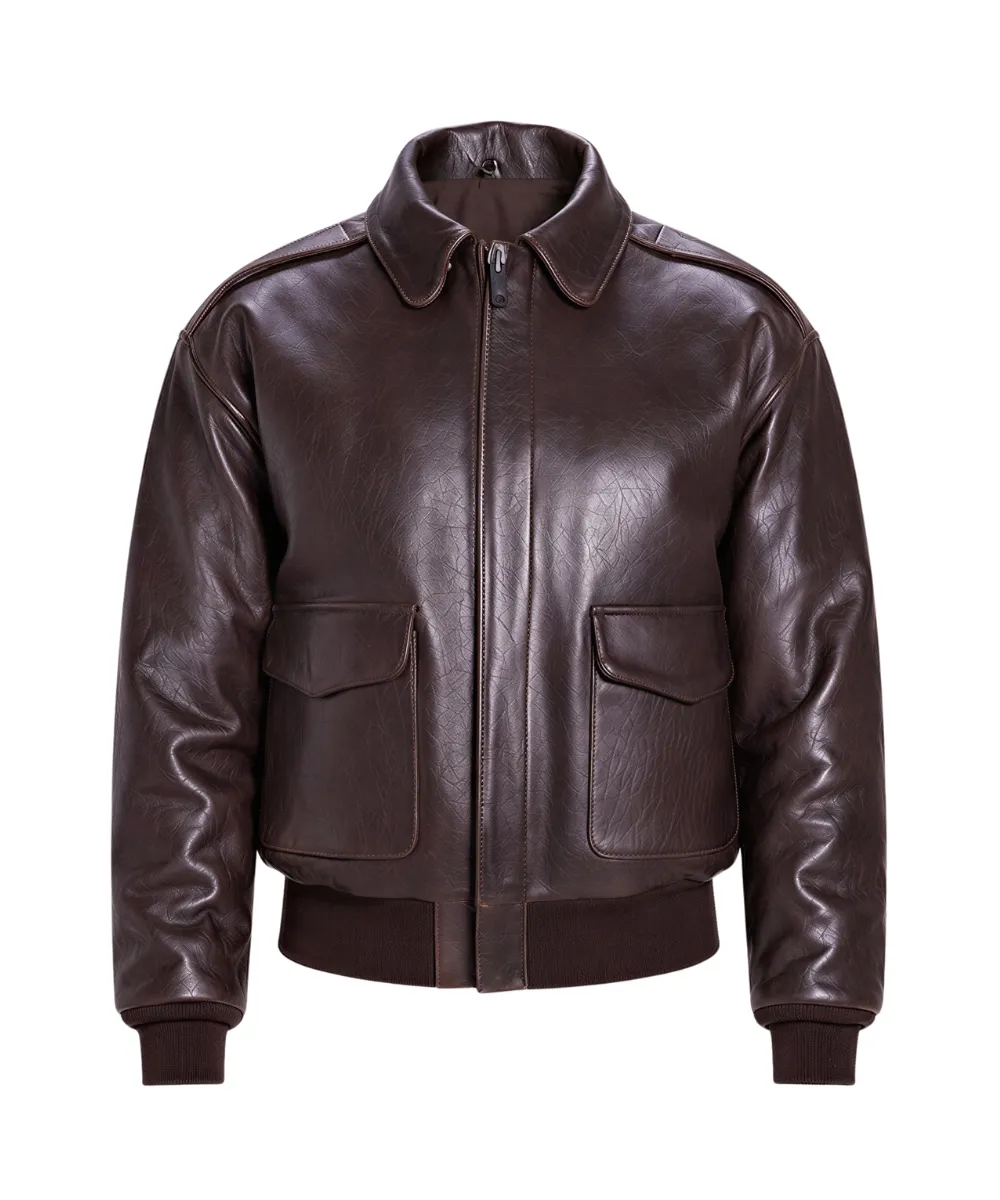
Men’s Leather Flight Jacket A-2 Vintage Dark Brown Cowhide Bomber
Artificial leather Environmental Impact

Artificial leather, also known as synthetic leather or faux leather, is widely used in various industries due to its versatility and cost-effectiveness. It is commonly found in fashion, where it’s used to create stylish clothing, shoes, and bags that mimic the look and feel of genuine leather without the ethical concerns associated with animal products.
Additionally, artificial leather is popular in the automotive industry, where it is used for upholstery, seat covers, and interior trims. Its durability and resistance to wear and tear make it an ideal choice for car interiors that require easy maintenance while providing an aesthetically pleasing finish.
In the furniture sector, artificial leather is often utilized in sofas, chairs, and other upholstery items, offering a luxurious appearance at a lower price point. Furthermore, it is also used in various accessories, including wallets, belts, and sporting goods, making it a ubiquitous material in modern consumer products.
Best Alternative to Artificial Leather
When seeking the best alternative to artificial leather, many people turn to materials like cork leather. This sustainable option is derived from the bark of cork oak trees and is both eco-friendly and lightweight. Another great choice is apple leather, made from the byproducts of apple juice production, offering a unique texture and durability. Additionally, hemp and recycled plastics are gaining traction as innovative alternatives, appealing to consumers who prioritize both sustainability and ethical production.
Each of these materials not only reduces environmental impact but also provides a stylish and functional substitute for traditional artificial leather. By choosing these alternatives, consumers can support sustainable practices while enjoying fashionable and high-quality products.
FAQ’s
Q1: Is artificial leather vegan?
Yes, synthetic leather does not contain animal products. Learn more in What Is Vegan Leather.
Q2: How long does artificial leather last?
Typically 3–5 years, depending on quality, usage, and maintenance. For tips on upkeep, see How to Clean a Leather Jacket.
Q3: Which is better: PU leather or PVC leather?
PU leather is generally more durable, breathable, and environmentally friendly than PVC. Learn more in What Is PU Leather.
Q4: Can artificial leather be used in cars and furniture?
Yes, it is widely used in upholstery, automotive interiors, and furniture. PU leather is popular in cars in the U.S., Europe, and Asia for its durability and ease of cleaning.
Q5: Are there eco-friendly alternatives to artificial leather?
Yes, options include cork leather, apple leather, hemp leather, vegetable-tanned leather, and products made from recycled plastics. See Best Leather Wallet for Men for sustainable examples.
Q6: Is artificial leather safe for indoor use in homes?
Yes, synthetic leather is commonly used for sofas, chairs, and office furniture. PU leather is non-toxic and low-maintenance. If you’re in urban areas like New York, Los Angeles, or London, it’s a preferred alternative to real leather for allergy-sensitive households.
Q7: Does artificial leather fade or peel in hot climates?
High-quality PU leather can withstand heat and sunlight better than PVC. For residents in hot or humid climates, choosing PU leather is recommended to avoid cracking or peeling.
Q8: Can I buy artificial leather products online in the U.S. or Europe?
Yes, many retailers offer artificial leather jackets, bags, and accessories online. For reliable options, see Where to Buy Leather Jackets.
Q9: How do I tell the difference between artificial and real leather?
Real leather has natural grain patterns, slight imperfections, and a unique smell. Artificial leather usually has uniform texture and a synthetic odor. Read How to Choose a Leather Jacket for detailed guidance.
Q10: Is artificial leather water-resistant?
Yes, synthetic leather resists short-term exposure to water better than real leather. PU leather jackets and furniture covers are ideal for rainy regions like Seattle or London.
Q11: Can artificial leather be recycled?
Some PU and PVC leathers are partially recyclable, but it depends on the manufacturing process. Eco-conscious consumers may prefer cork or apple leather as fully biodegradable alternatives.
Q12: How is artificial leather used in fashion trends?
From jackets, boots, and handbags to belts and accessories, synthetic leather is popular in vegan fashion lines in Los Angeles, New York, and European cities like Milan and Paris. Check Leather Jacket Outfits for styling ideas.
Q13: Are there local stores that sell sustainable artificial leather products?
Yes, many urban boutiques and ethical fashion stores stock vegan leather items. If you’re in the U.S., U.K., or EU, you can find sustainable alternatives at eco-conscious retailers online or in-store.

![Choose the Right Leather Laptop Bags Guide [2025]](https://levantleather.com/wp-content/uploads/2025/04/690-by-388-pixel-300x169.png "What Is Artificial Leather and Is It Good?")