



No products in the cart.
Return To Shop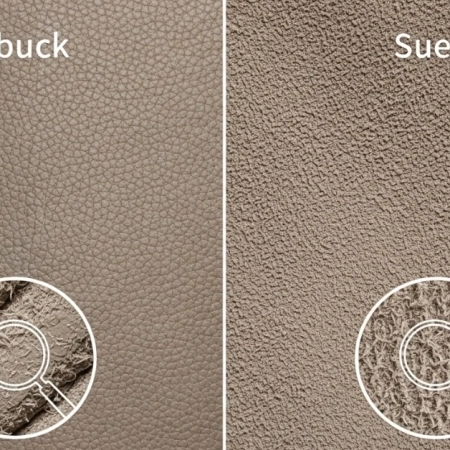
You have likely been in a shoe store, with your fingers over that nice, soft, velvety leather. Now you have been wondering whether you are feeling nubuck or suede, and more importantly, which one you should wear.
These are the two premium leather materials that take up the luxury leather market, yet they are not similar at all.
A nubuck leather is created using the outer of the hide (grain), whereas suede leather is made using the inner (split layer) of the hide. This core distinction influences aspects such as durability and price.
What Is Suede?
We will begin with suede, a fashion item that changed everything when Swedish artisans invented the concept of fancy gloves for affluent women in the 19th century. Suede is a French term derived from the phrase “gants de Suede”, meaning “gloves specifically from Sweden” in English.
Suede is a by-product of the hide of an animal, the part that was in contact with the flesh. The leather made from this part of the hide is therefore not as strong and waterproof, yet it has some other positive traits.
The kind of animal is also important. Suede leather is manufactured using a variety of bovine animals, including deer and pigs. The nature of the material is liable to the softness, quality, as well as to the age of the animal. Calves, at a younger age, are the source of the softest and most comfortable suede that high-end designers desire.
What Is Nubuck?
Nubuck is created using the full-grain exterior of an animal’s hide. Just imagine it to be ordinary leather, refined with delicate sanding to create a subtle nap.
Nubuck was developed in the 19th century, and its softness made it suitable for use on fancy gloves. It fell out of favour with footwear until the Duke of Windsor paid a visit to the United States in the 1930s, wearing nubuck shoes. Today, you can tell that it is the fabric of those famous Timberland boots everybody has.
Previously, Nubuck was made of buckskin, but it is currently made from calfskin. This has changed nubuck to be of higher quality and more readily available since it has switched to calfskin.
The Nubuck Vs. Suede
Durability And Strength
Nubuck leather is stronger than suede due to its unique grain structure, which allows it to be used more frequently in everyday life. It generally has a lifespan of 30-40 percent longer than suede under normal usage conditions.
The suede and nubuck are produced using high-quality leather; however, unlike suede, nubuck uses traditional types of leather which are thicker and more durable. This is because the outer layer of the leather hide is of a better fibrous structure. The fibers in nubuck are so tightly packed that they form a material that can withstand anything life throws at it.
Texture And Feel
These materials are even feelable. Nubuck is a loosely grained material, and therefore feels more firmly on the grain side, which makes it somewhat firmer. Suede is thinner, softer to the touch, and fluffier, with a more homogeneous appearance.
One notable difference between the two fabrics is that Nubuck is generally thicker than suede. This is a significant difference because the thinner the material, the less durability and strength it would possess. Feel the nubuck, and you will find it to be velvety smooth. Suede is more like brushed cotton, but less substantial.
Water Resistance
Both Nubuck and Suede leather are water-resistant unless treated particularly during the tanning or finishing process. The denser grain structure of Nubuck is slightly more resistant, although neither is naturally waterproof.

Nubuck is somewhat more resistant to light rain and spills than suede, so a more feasible choice for places where it rains heavily. Yet, none of the materials is entirely waterproof, and it is suggested to apply some extra treatment to ensure the best protection.
Price Points
Your purse will certainly feel it. As a rule, Nubuck is pricier than suede. This is because the former material is extruded on the exterior of the hide and is much tougher than suede.
By 2025, the global leather goods market will reach a size of 531.07 billion, with an estimated value of 855.36 billion in 2032, at a 7.05% CAGR. Nubuck in this market is highly priced, with a price difference of 20-35 percent higher than similar suede products.
Maintenance Requirements
The disposal of these materials requires various methods. The Nubuck would require Saphir Nubuck cleaner and a silicone brush to maintain its velvety feel. It can be spilled and lightly rained on without any damage if brushed regularly, and sprays of Saphir waterproofing are applied at regular intervals.
The difference in the hair of the two materials affects the type of brush to be used for cleaning and maintenance. However, the maintenance requirements for both materials are practically the same. Nubuck is more complex and less textured, and therefore, can be cleaned using a brush with metal bristles.
Suede is to be treated more kindly. The suede material has a soft surface that requires the use of a brush with lighter bristles, such as those made from plastic, natural materials (from horse or pig hair), vegetable fibers, or synthetic materials. You will need to clean it more often and take extra care to prevent water and stains.
When To Choose Nubuck
You can prefer Nubuck with goods that require durability, such as shoes or bags. It is the best bet for things that experience day-to-day wear and tear.
Nubuck can be used to enhance the quality of work boots and footwear, providing employees with added safety. Nubuck boots are waterproof, stronger, and more durable, and they last longer, making them suitable for both indoor and outdoor work.
The material excels in:
- Hiking shoes and work boots.
- Exclusive handbags and briefcases.
- High-quality automotive upholstery.
When To Choose Suede
Suede is glossy when fashion takes precedence over functionality. Suede works well in fashionable shoes and garments with reduced friction. It is ideal where you need that posh appearance and experience without the exorbitant cost.
Suede can be easily noticed to wear out more, particularly in high-stress conditions, such as the toe and the heel, and thus should be rotated occasionally. This makes it perfect as special occasion shoes or seasonal items.
Choose suede for:
- Dress, footwear, and fashion shoes.
- Jackets and coats
- Gloves and a few accessories.
- Interior decorative items
- Sales or seasonal clothing.
Caring For Your Investment
Waterproofing Solutions
Having the right products is a starting point for protection. Water-based products that have high performance do not contain fluorocarbons or VOCs. Newer waterproofing sprays have come a long way, offering greater protection without the environmental implications of their predecessors.
To use waterproofing to maximum advantage:
- Wipe the material beforehand.
- Spray thoroughly but without drying.
- Allow 24 hours to fully dry
- Redo it every 2-3 months or if there is excessive exposure.
Start by cleaning the shoes with a suede brush or a soft cloth to remove dirt and debris. Then apply a small amount of mink oil to your shoes with a clean cloth, focusing on the areas that are more exposed to water. However, keep in mind that mink oil works best on darker shades, as it tends to darken the material.
Cleaning Techniques
For nubuck, use a brush with brass bristles every week to raise the nap and clean the surface of dirt. You desire more bristles to poke into the nap of the stuff.
For suede, gentleness is key. A soft-bristled brush is used in the same direction to ensure uniformity. You can remove tackles using a suede eraser before it becomes too late.

Market Dynamics And Industry Development.
The leather goods industry continues to maintain its stunning growth trend. Footwear, with a 39.25% revenue share in 2024, is the leading category, while accessories are expected to increase at a 7.38% CAGR through 2030. This is directly affecting the nubuck and suede markets.
Full-grain leather dominates a significant portion of the market due to its incorporation of high quality, strength, and a luxurious appearance. As nubuck is made from full-grain leather, it benefits from this market preference.
The tastes of the consumers are changing as well. This is due to the increased demand for sustainable and environmentally friendly leather goods in the global market. Several producers of nubuck and suede are working on alternatives made from plant-based materials to meet this demand.
Making Your Final Decision
It would be up to you to decide on nubuck or suede based on your lifestyle and priorities. Both have their pros and cons. Nubuck is more durable in the long run, and hence it is preferable to be used regularly.
Consider these factors:
Budget: Nubuck is a more expensive but longer-lasting product.
Usage: Nubuck is worn every day, and suede is worn occasionally.
Climate: Nubuck must have the best resistance to wet conditions.
Maintaining promise: Suede should be serviced more often.
Style: Suede offers a broader range of colors and has a more relaxed appearance.
It is essential to remember that quality is a distinct characteristic in each category. Suede can outperform cheap nubuck, and the reputation of a manufacturer and the reviews of a product should be taken into consideration.
The Bottom Line
Nubuck and suede have their own benefits that make them worth considering for inclusion in any wardrobe. Nubuck also offers long-lasting and water-resistant properties, while suede provides the softness and glamour unparalleled by other fabrics. Knowing their distinctions will enable you to spend money well on items that you will enjoy over the years.
The fact that the luxury leather market is still expanding, projected to reach up to $831.38 billion by 2034, guarantees that these two materials will remain fashionable items. Rugged style or soft sophistication: with nubuck or suede, you will enjoy maximum value of your investment when it is taken care of correctly and with real expectations.
Frequently Asked Questions
Is nubuck more expensive than suede?
Yes, the nubuck is usually 20-35 percent more expensive than suede. Nubuck is never cheap compared to the counterpart because it is sturdy and strong. The increased cost is due to its extended longevity and the high quality of the outer hide section.
Between nubuck and suede, which one lasts longer?
Regular use of Nubuck has excellent longevity compared to suede. Nubuck leather is more durable for everyday wear and use due to its grain structure, which is stronger than that of suede. Nubuck shoes require the proper treatment to increase their lifespan by 30-40 percent compared to those made of suede.
Are both the nubuck and suede waterproofable?
Yes, both materials can be waterproofed with special sprays. In both situations, it is advisable to apply a water-repellent spray to enhance protection and improve durability. Nevertheless, nubuck has a slight advantage over water because of its more compact structure.
Is nubuck genuine leather?
Absolutely. Nubuck is a high-quality leather commonly produced from the upper portion of the skin. It is genuine leather, which has been sanded to achieve its characteristic velvety texture.