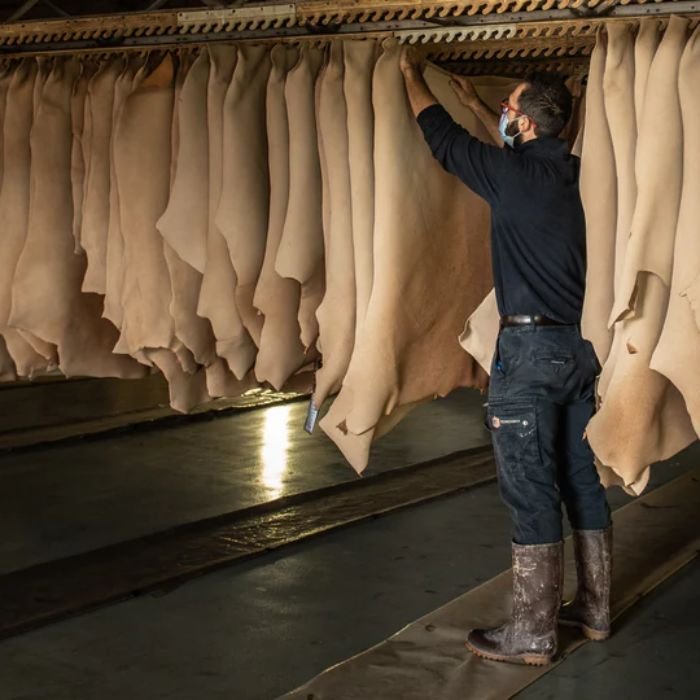
Tanning is a process that involves cleaning and processing the animal hides to produce leather. The specific workplace where tanning is performed is known as a tannery. If you wonder when tanning started, the traces date back to 10,000 BC.
Over time, the master artisans passed the knowledge to generations and kept this practice alive. In modern day, Italy relies on this process to achieve durable leather and uses it to create different products.
This blog will explore everything about Tannery, including what tannery is, the process, and the tannery business
Historical Context
In ancient times, hair removal from animal skin and softening it were performed by all tanners. However, things changed when experts discovered the ability of quicklime. The experts only had to soak the skin in urine.
As time passed and the industry started growing rapidly, the demand for leather goods increased. This increased the demand for leather goods across the territories.
Later in 1859, the invention of chrome tanning changed the way tan was changed into finished leather. This method involved using chemicals, acids, and salts to achieve the final product.
Explore Levant Leather Latest Sale Collections
1- Documents Cases
2- Leather Backpacks
3- Woven Leather Bags
4- Tote Bags
5- Women’s Handbags
Tannery Definition
A workplace or facility where animal leather is converted into raw leather through a comprehensive process. This leather is used in various products such as leather jackets, leather bags, wallets, and belts. As mentioned above, tanning is an ancient practice of using animal skin and creating durable leather products. The process is also a leather tannery, as it involves producing leather in a specific setting.
What does a tanner do
A tanner is an expert involved in the process of using animal skin, cleaning and soaking it to convert the material into finished leather. These individuals have a vast knowledge and practical experience of producing leather through a comprehensive process.
The Tanning Process
As compared to the earlier times, the modern tanning process is comprehensive. It involves a series of steps required to achieve the final product. Although experts in every country follow the same technique, there is a slight change in the process due to the nature of the tennery type and animal skin used.
Pre-Tanning
This stage involves sourcing the raw animal skin. In the European Union, these products are received as a by-product of the meat and dairy industries. While in the lower developed countries, the experts start curing the raw material to avoid biodegradation.
Now comes the beamhouse operations stage, where the actual tanning starts. Tanners soak the hides in clean water to remove salt and re-moisturize them for the next stage.
- Liming: earlier, the hides were submerged in the urine for the removal of excessive hairs. In modern times, some chemicals (calcium hydroxide) are used for the purpose.
- Baiting: Baiting involves the use of enzymes to increase the softness and flexibility of the hides.
- Splitting: Also called the final stage of pre-tanning. It involves cutting/slicing the material into two equal layers. The upper part is the most durable and strongest, and is used to manufacture full-grain leather.
Tanning
In this step, the clean skin is turned into strong leather. The skin is put in a big drum or vat. A tan mix is added, made from plant bark or a chemical. This mix goes deep in the skin and stops rot. It locks the skin so it will not break or smell.
The skin starts to get firm but is still soft to the touch. It can last for a long time now. This step is the main part of the full work, as it gives the skin strength, shape, and long life for use in goods like shoes and bags.
Post-Tanning
In this last step, the tan skin is made neat and nice. It is washed well to clear the extra mix. Then oil is added to keep it soft and smooth. The skin may be dyed to give color. After that, it is dried with care so it keeps its shape. It can also be pressed or cut to get the right look. This step makes the leather ready for use in bags, shoes, and seats. It gives the final feel and look. Good care in this step makes the leather strong, clean, and good for long use in real-life work.
What is the Commercial Tanning Process?
The commercial tanning process is a large-scale way to turn raw skin into leather. Big units use tools, tanks, and set steps to make strong leather fast. The goal is to save time, cut losses, and keep good quality. Many skins are done at once. Each step is fixed, so the work stays smooth. This way, brands can get leather in bulk for bags, shoes, and more.
What is Leather Skin from Tanning?
Leather skin from tanning is raw animal skin that has been treated to stop rot and smell. After tanning, the skin turns soft, strong, and long-lasting. It does not break down like raw skin. It can be used to make bags, belts, shoes, and seats. The look and feel can change based on the type of skin and the way it is tanned.
Where is Leather Manufactured?
Leather is made in many parts of the world. Big hubs are in Asia, Europe, and the Southlands. Each place has its own style and skill. Some make soft leather for clothes, while some make thick leather for shoes or gear. Most units are near farms or meat plants, so raw skin is easy to get. This helps save time and cost in the full process.
What is a Tannery in Morocco?
A tannery in Morocco is a place where old and new ways mix. Work is done by hand in big stone pits. Men clean, dye, and treat skins step by step. Bright colors are used to give a rich look. The smell can be strong, but the craft is old and well-known. These tanneries are also a top spot for tourists who want to see real leather work.
Conclusion
A tannery is where raw skin turns into strong leather. Each step, from clean to tan to dry, plays a key role. In big units or small craft spots, the aim is the same: to make good leather that lasts long. With the right steps, waste is cut, and value is made. This makes leather a useful and smart product in daily life.
Frequently Asked Questions
1. What is a tannery?
A tannery is a place where raw animal skin is cleaned and treated to make leather. It helps stop rot and makes the skin strong and safe to use.
2. Why is tanning needed?
Tanning is needed to stop the skin from rotting and developing a bad smell. It makes the skin last longer and is suitable for use in daily items like bags and shoes.
3. Is leather made from waste?
Yes, in many cases, leather is made from skin that is left after meat use. This helps cut waste and gives us extra parts of the animal.
4. How long does tanning take?
Tanning can take a few days to some weeks. It depends on the type of skin and the way used in the process.
5. What is the use of leather?
Leather is used to make shoes, bags, belts, seats, and more. It is strong, soft, and can last for many years with good care.
6. Is tanning safe?
Modern tanning can be safe if done with care and rules. Good units use safe steps to cut harm to both people and the land.